We tested, rated, and reviewed the best waterproof mattresses for kids dealing with bedwetting, potty training, and nighttime accidents—so you can finally stop doing laundry at 3am.
Written by Sarah Mitchell
Certified Sleep Science Coach
✓ Medically Reviewed
Our Top Picks:
We tested every major kids mattress on the market. Here are the best options for every need and budget.
Best Waterproof Kids Mattresses of 2026 | Our Review
Choosing a kids' mattress doesn't have to be complicated. Mattresses of any size—from crib mattresses to California king—your options are spring, foam, and hybrid. Each has benefits and can be used for a variety of sizes, ages, and sleep training methods.
But if you're dealing with bedwetting, potty training, or just the general chaos of kids and mattresses, waterproofing becomes the most important feature. And here's what we learned after three months of testing: Most "waterproof" kids mattresses aren't actually waterproof.
They come with a waterproof cover or protector, but the seams aren't sealed. Liquid seeps through where the fabric joins together. After 6-12 months of use, the waterproofing fails—and you're back to scrubbing mattresses at 3am.
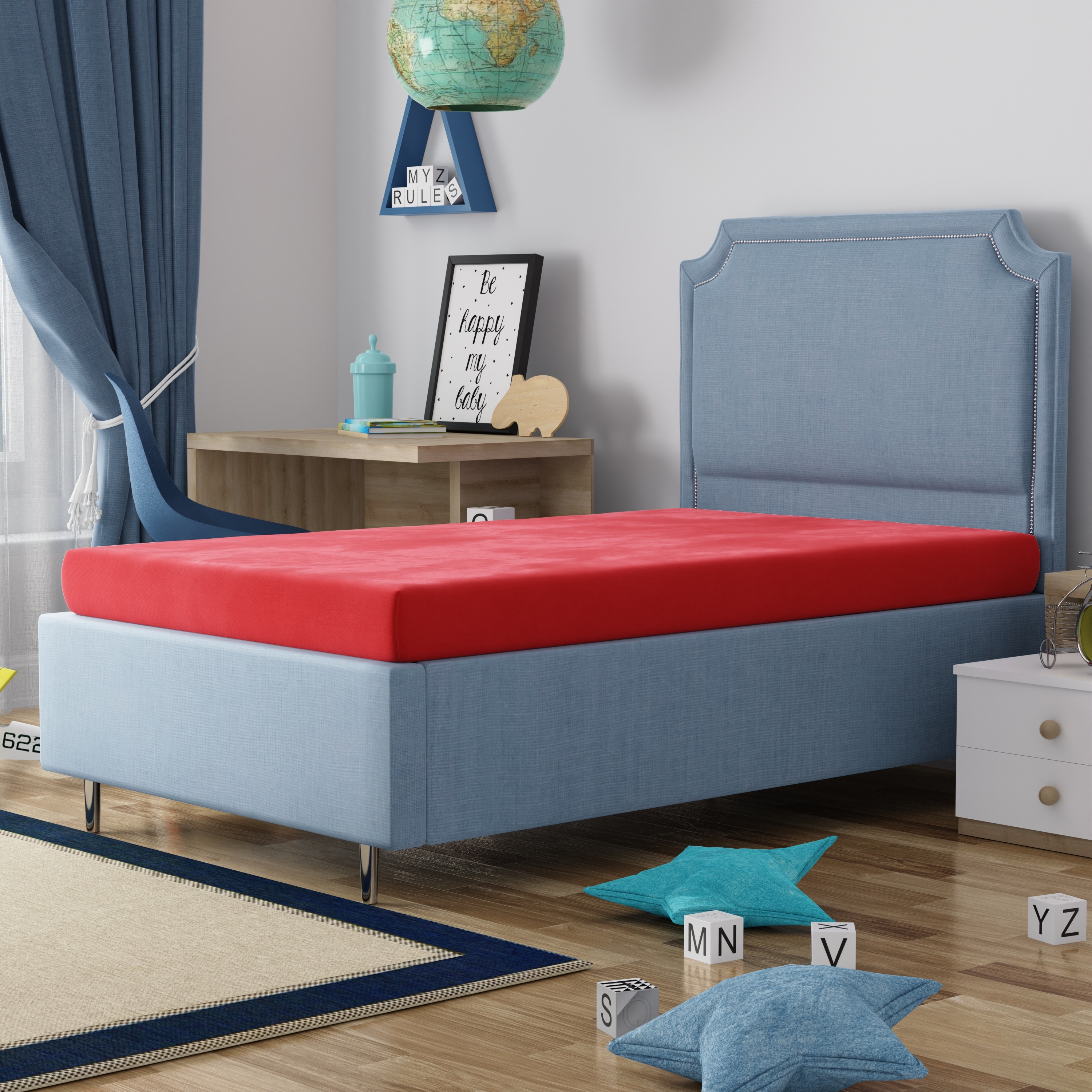
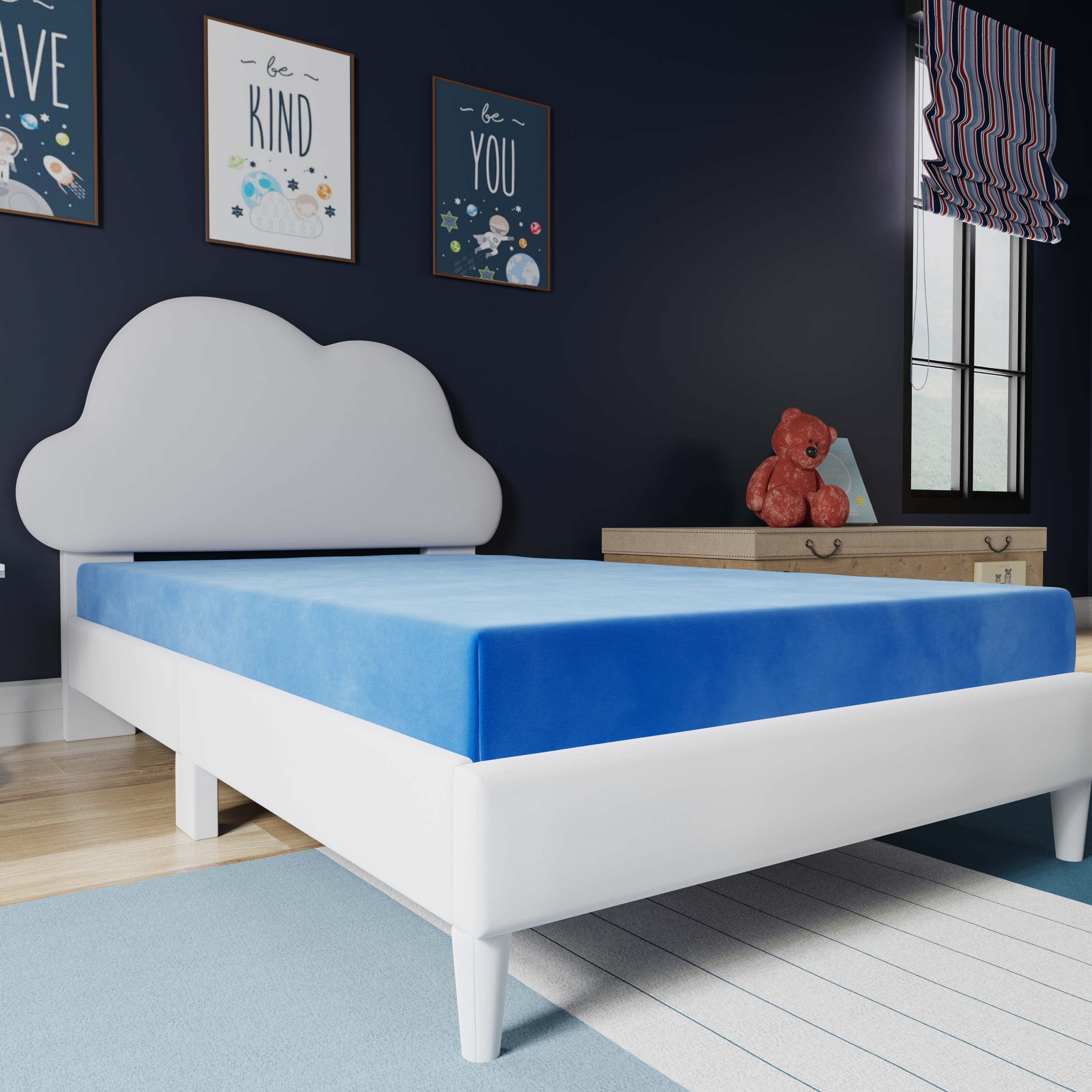
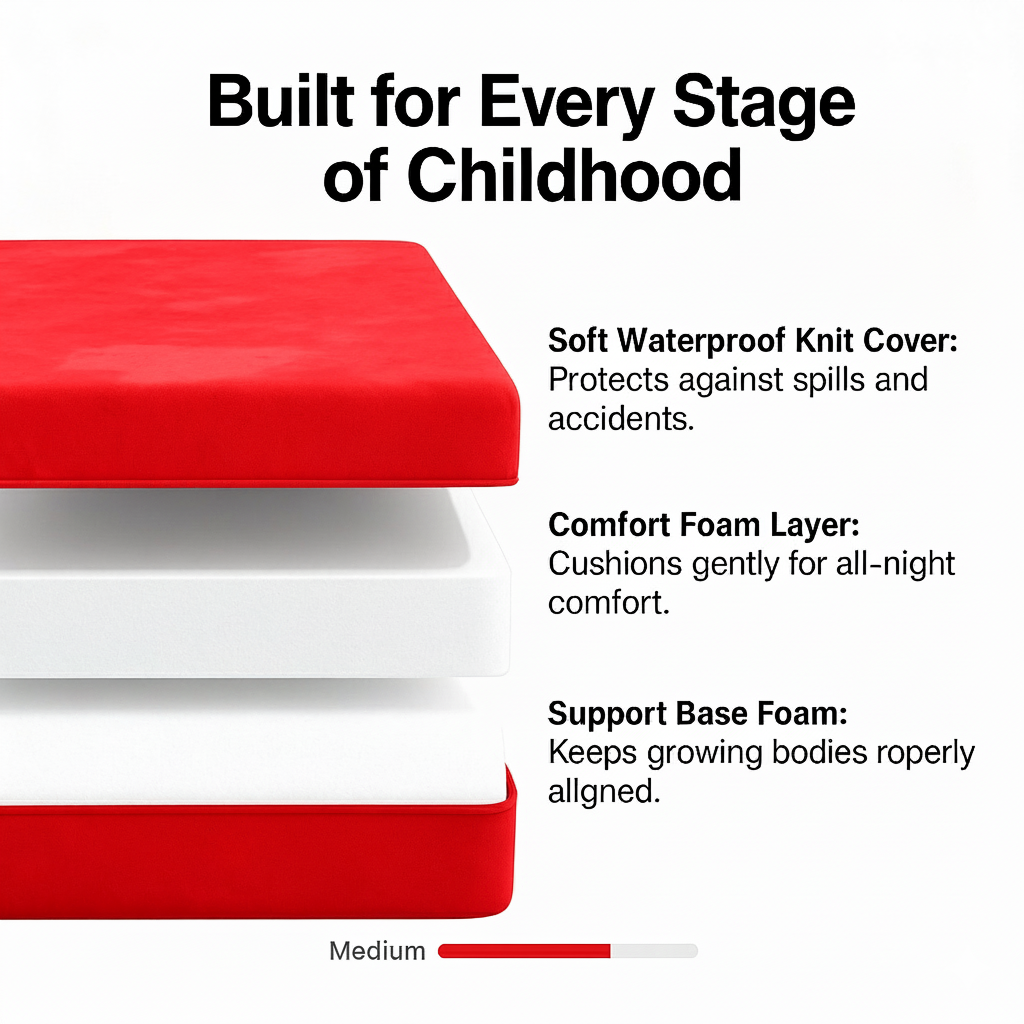
The Omne Kids Mattress is built specifically for the realities of parenting. Unlike mattresses that rely on add-on protectors (which leak at the seams), the Omne Kids has waterproofing integrated directly into the cover construction. The cover is fully wipeable for quick 3am cleanups and machine washable for deep cleaning. No vinyl, no plastic crinkle sound, no heat trap.
Ideal for: Kids ages 3-12 dealing with bedwetting or potty training, parents tired of mattress protectors that leak, children transitioning from toddler bed to twin, families who need easy cleanup at 3am.
May not be ideal for: Low-clearance bunk beds (see 5" model), parents who prefer innerspring/hybrid construction.
Same integrated waterproofing as the 7" model, but in a low-profile 5" design specifically made for bunk beds, trundles, and daybeds where clearance matters. The firmer construction (1" memory foam over 4" support base) provides proper spinal support for younger kids.
📐
Height
5 inches (bunk-safe)
📏
Firmness
Firm (7/10)
Height
5 inches
Layers
1" Memory Foam + 4" Support Base
Weight (Twin)
24 lbs
Sizes & Pricing
Twin ($139.99), Full ($149.99)
More Top Kids Mattress Picks
While the Omne Kids is our top pick for parents dealing with bedwetting and waterproofing needs, here are more excellent options depending on your priorities:
Best Overall
4.6★★★★★
Helix Kids Mattress
You don't have to keep switching mattresses as your little one grows. This Helix model has two brilliant sides that offer both a toddler mattress and a big kids' mattress. One side supports youngest growing bodies—from age three to about seven—while the other offers comfortable, cool sleep to older kids. The stain-resistant cover makes it parent-approved.
A quilted hypoallergenic cover with cooling fibers, an affordable price point, and premium gel memory foam render this one of the best for young kids. Reinforced edges reduce the chances of rolling off the bed (especially important for three and four-year-olds), while six-inch inner coils offer added support.
Made with natural and certified organic materials, this two-sided and flippable mattress is a natural dream come true. The firmer side is designed for ages three through seven, while the softer side supports children ages eight through about 12. Safe and non-toxic materials with a generous 100-night sleep trial.
Designed for growing bodies ages three to 12 and beyond. The clever, flippable design features a softer texture on one side and firmer on the other. Firmer mattresses are typically best for toddlers, while older kids can enjoy the softer side. Gentle foam, organic cotton, and wool encase durable coils.
✓ Flippable design✓ GOTS organic cotton✓ 120-night trial✓ Made in USA
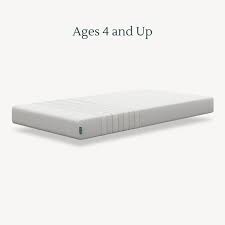
Kids ages four and up transitioning to their first mattress snuggle up to this cozy memory foam model for years to come. A top layer of high-quality, responsive and cooling memory foam cradles growing spines. Made with CertiPUR-US certified foams with a 10-year limited warranty.
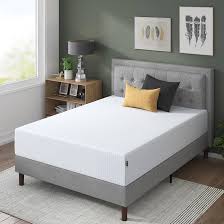
With over 90,000 shopper ratings, it's one of Amazon's most popular mattress models and an affordable find. The temperature-regulating high-density foam boasts a soft cooling gel, pressure-relieving technology, and CertiPUR certification. Perfect for hot sleepers.
✓ 90,000+ ratings✓ CertiPUR-US✓ Very affordable✓ Bed-in-a-box
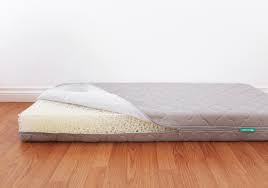
Looking to invest in one bed from infancy through about age 5? The Newton crib mattress is your best bet. It's a 100% breathable bed with a patented, supportive core and detachable cover. Parents love how easy it is to change linens and wash. Fits convertible cribs and toddler beds with ease.
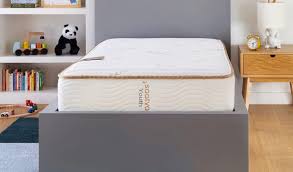
The Saatva versatile innerspring mattress is designed for growing bodies ages three to 12. It supports healthy sleep from pre-school to grade school thanks to a dual-sided, accident-proof design. Handcrafted with eco-friendly, high-end materials. So comfortable that parents may end up dozing off too.
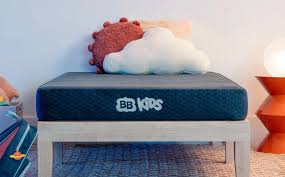
If you're looking for a kids' mattress that doesn't break the bank, this Brooklyn Bedding model has you covered. The BB Kids is Greenguard Gold certified with CertiPUR-US foam. A 2-inch cooling gel memory foam layer over high-density foam foundation. Firmness rated 8/10 for toddlers and younger kids. Includes waterproof cover.
✓ Waterproof cover✓ Greenguard GOLD✓ 120-night trial✓ Made in USA
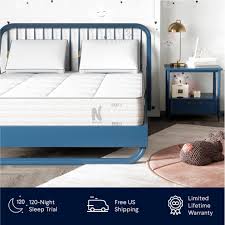
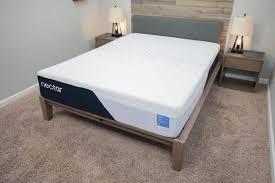
Whether your kid is college-bound or just pretty tall, the Nectar Memory Foam bed is our favorite in extra-long proportions. It's a premium memory foam mattress designed to cradle their body. Made with CertiPUR-US memory foam in an extra-long size. We love the forever warranty and 365-night sleep trial.
✓ 365-night trial✓ Lifetime warranty✓ Free shipping✓ Twin XL available
These are firm and supportive thanks to the steel coils inside. The number, gauge, shape, and positioning of the coils varies between brands, but generally speaking, the more coils in the mattress, the more supportive and durable it is. Choose from pocket coil (individually wrapped coils) and innerspring (coils working together). Both types are encased in one or more layers of padding.
Foam Mattresses
Find them made from polyurethane, latex (plant- or petroleum-based), and gel. Choose from different densities, textures, and layers. Foam conforms to the body, relieving pressure points while providing support. These come in a variety of sizes from toddler floor beds to king-size.
Hybrid Mattresses
The best of both worlds. These have both springs and foam. Some are double-sided—for example, with one firm side for babies and a more cushioned side for toddlers.
Considerations When Choosing the Right Kids' Mattress
For your baby's safety, a mattress must fit tightly in the crib. Standard crib mattresses measure 28 by 52 inches and should be no more than six inches thick. If you can fit more than one finger between the mattress and each side of the crib, the mattress is too small.
To prevent suffocation, the mattress should also be flat and firm with no soft spots. When you're shopping, test the firmness of each crib mattress by pushing down on its center and edges—you should feel good resistance.
Spring mattresses should have border rods around the perimeter to prevent sagging. Foam surfaces shouldn't conform to the shape of your hand, and they should snap back readily.
⚠️ Safety Warning
An improperly cleaned or stored mattress can harbor mold and bacteria. Air mattresses and waterbeds are not safe sleep surfaces for babies. Neither are many adult mattresses. If your baby falls asleep in a playpen, car seat, stroller, swing, or hammock, transfer them to a crib, cradle, or bassinet.
When Do Kids Transition to Bigger Mattresses?
Kids tend to transition from a crib to a "big kid" bed starting around age two and a half. Sleep consultants recommend waiting until age three or three and a half, if you can.
"The longer you can delay it, the better," says Alanna McGinn, sleep consultant and founder of Good Night Sleep Site. "If they're not jumping out and you're not concerned about safety, it's OK to keep them there. The older the child, the more they understand the transition."
The next mattress size up is a twin mattress (38 by 75 inches), but if your child's room can accommodate a double (53 by 75 inches) or queen (60 by 80 inches), it's worth considering—your kid won't outgrow it.
Are Natural and Organic Mattresses Best?
Mattresses off-gas volatile organic compounds (VOCs), which come from polyurethane, flame retardants, adhesives, and solvents. They also cause that chemical new-mattress smell. VOCs can pollute indoor air and cause breathing irritation.
If possible, look for a low-VOC mattress with natural and organic materials, such as organic cotton, natural wool, and natural rubber latex. Peace of mind has a price, though—expect to spend more for an eco-friendly bed.
CertiPUR-USCertifies foam meets content and emissions standards.
Oeko-Tex Standard 100Applies to cotton, wool, and other textiles.
Greenguard / GOLDCertify a mattress is low in VOCs.
GOTSRequires 95% organic, free of polyurethane and chemical flame retardants.
Crib mattresses cost between $60 and $500 or more, and twins (without a box spring) are typically $150 to $1,000 or more, depending on quality, materials, and features like edge support.
It may seem extravagant to spend hundreds on a kid's bed, but you usually get what you pay for. Mattresses go on sale frequently, so patient shoppers needn't pay full price.
💡 Pro Tip
"I'd encourage parents to get the best possible quality they can afford because it's something their child will use every single night. It's easy to find mattress deals during big sale events such as Presidents' Day and Memorial Day."
FAQs
How much should I spend on a kids mattress?
For a quality waterproof kids mattress that will last, expect to spend $130-200. Ultra-cheap options ($40-80) typically have inferior waterproofing. Premium organic options ($600+) are often overkill unless organic certification is your top priority.
When do kids stop bedwetting?
Most children are dry at night by age 5-6, but it's completely normal for bedwetting to continue until age 7 or beyond. About 15% of 5-year-olds and 5% of 10-year-olds still wet the bed.
When should kids transition from a crib?
Kids tend to transition around age two and a half. Sleep consultants recommend waiting until age three or three and a half if you can. The older the child, the more they understand the transition.
What firmness is best for kids?
Medium-firm (6-7 out of 10) is generally recommended. Kids need proper spinal support for healthy development. For toddlers and younger children, firmer is typically better (7-8 out of 10).
How thick should a kids mattress be?
6-8 inches is ideal for most kids beds. If you have a bunk bed with guardrails, you may need a thinner 5" mattress for safety. Crib mattresses should be no more than 6 inches thick.
Our #1 Pick for Waterproof: Omne Kids Mattress
Use code KIDS20 for 20% off • Free Shipping • 1-Year Warranty